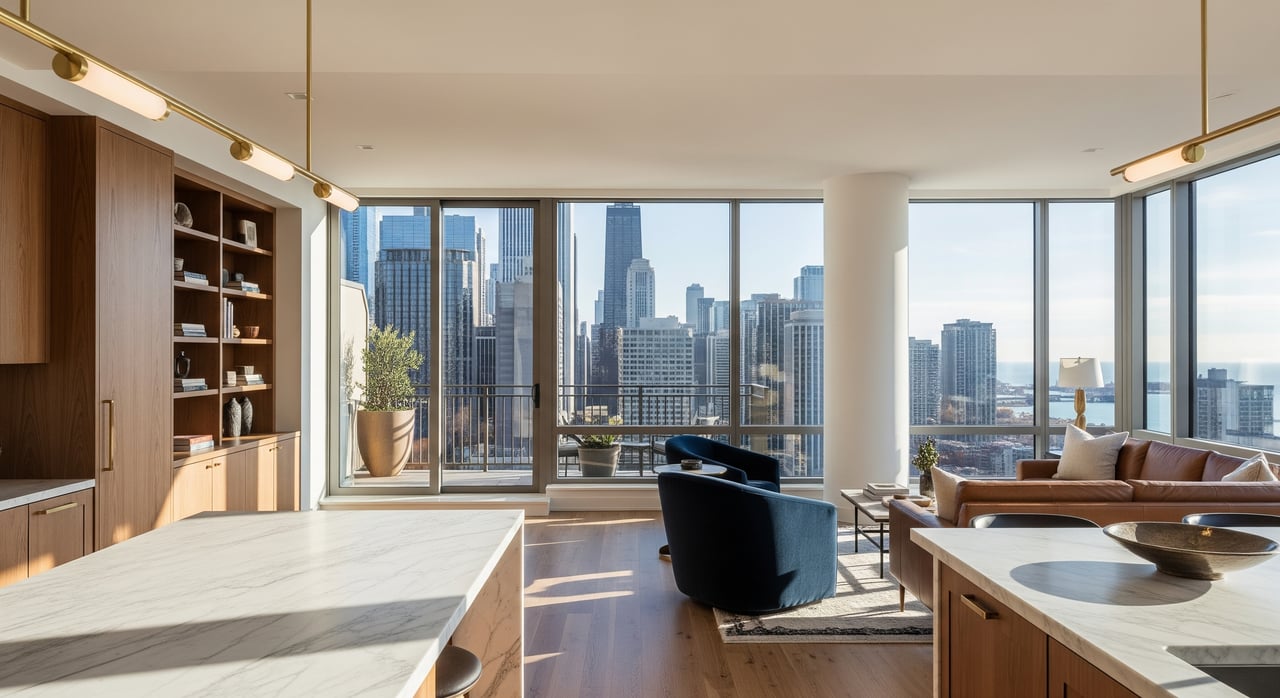
Touring homes on the Near North Side and unsure whether a condo or a co-op is the better fit? From the lobby they can look alike, but the way you own, finance, and get approved is very different. In a few minutes, you will understand the key differences in approvals, financing, monthly costs, taxes, and timelines specific to Gold Coast and Streeterville. Let’s dive in.
Condo vs co-op at a glance
- Condo: You receive a deed to your unit plus an undivided interest in common elements. Title is recorded in Cook County.
- Co-op: You buy shares in a corporation that owns the building and receive a proprietary lease for your unit, not a deed.
- Monthly costs: Condo owners pay an HOA fee and separate property taxes. Co-op owners pay a monthly maintenance charge that often includes the building’s property tax and some utilities.
- Approvals: Co-ops usually require board approval with an interview. Condos provide resale disclosures, and board rejection of a bona fide buyer is less common.
- Financing: Condos use standard mortgages. Co-ops use share loans from a smaller set of lenders with stricter underwriting.
Ownership and Near North building styles
In the Gold Coast, you will find many prewar and midcentury co-ops, often with classic layouts and long-established governance. These buildings tend to have smaller unit counts and fewer modern amenities. In Streeterville and along the lakefront, you will see more high-rise condominiums with full-service amenities like doormen, gyms, and pools.
The Near North market gives you a true choice of lifestyles. Co-op buyers often prioritize architectural character and community standards. Condo buyers may prefer amenity-rich living, straightforward financing, and more flexible rental policies. Your plan and timeline should guide your choice.
Board approvals and rules
Co-op board approval
Most co-ops require a full application package that can include financial statements, references, credit and background checks, and an interview. The board may deny a purchaser under the proprietary lease and bylaws even if other contingencies are met. The process can add weeks, so plan your closing schedule around board calendars and approval windows.
Condo resale process
Condos typically do not require a discretionary buyer interview. Under Illinois law, associations provide resale disclosures that include budgets, rules, and known issues. Some luxury condos may request purchaser questionnaires for security or occupancy logistics, but outright rejections are less common than in co-ops.
Rentals, pets, and renovations
- Rentals: Co-ops frequently limit subletting and may require a period of owner-occupancy or set caps on the percentage of units rented. Condos can also have rental caps or policies, which vary by association.
- Pets and renovations: Both building types use house rules and approval processes. Co-op boards are often more restrictive in practice. Always review the rules before you offer.
Financing and tax treatment
How lenders view each type
- Condos are widely financed with conventional mortgages, and some buildings may be eligible for FHA or VA, subject to project approval and lender criteria.
- Co-ops use share or stock loans secured by your shares and proprietary lease. Fewer lenders offer these products, and underwriting is often stricter with a closer look at the corporation’s financials and any underlying building mortgage.
Down payments and underwriting
Typical condo down payments range from low down payment options for first-time buyers to 10–20 percent for conventional loans. Co-ops often require larger down payments that many buyers see in the mid-teens to around 25 percent, depending on the lender and the co-op’s financial health. Co-op boards also scrutinize liquidity and long-term stability.
Taxes and deductibility
Condo owners receive individual Cook County property tax bills and can typically deduct mortgage interest and property taxes subject to current tax law. Co-op owners usually pay their portion of the building’s property tax through monthly maintenance and may receive an allocation of property tax and any interest on the building’s underlying mortgage for personal tax reporting. For exact treatment, consult a tax professional.
Monthly costs and what is included
Condos
- HOA fees typically cover common area maintenance, management, master insurance for the building’s common elements, and sometimes common-area utilities.
- You pay your unit’s property taxes directly and carry your own interior unit insurance.
Co-ops
- Monthly maintenance usually covers the building’s operating costs, property taxes, master insurance, and often heat and hot water. It can also include a portion of payments on an underlying building mortgage or capital projects.
- Review what is included line by line to compare apples to apples with condo HOA fees.
Reserves and special assessments
Healthy reserves matter in both condos and co-ops. Review recent budgets, any reserve study if available, and capital project history. Both entities can levy special assessments for major repairs. In co-ops, maintenance can rise if the corporation services a significant underlying mortgage.
Closing timelines and transfer details
Co-op timelines can run longer due to board application processing and interviews. Some co-ops require seller and buyer to obtain board approval before closing can be scheduled. Condo closings are typically similar to other deeded real estate transactions and hinge on the resale disclosure packet and standard lender conditions. Transfer taxes apply differently in practice when transferring a deed versus co-op shares, so confirm closing mechanics with your attorney and title or closing professionals.
Due diligence checklist for Near North buyers
For condos
- Declaration, bylaws, and house rules
- Current budget, recent financials, and any reserve study
- Minutes of association meetings for the past 12–24 months
- Resale disclosure packet under the Illinois Condominium Property Act
- Master insurance certificate and coverage limits
- Rental, pet, parking and renovation policies
- Any special assessments or planned projects, plus litigation disclosures
For co-ops
- Proprietary lease, corporate bylaws, and house rules
- Corporate financial statements, budget, and reserve details
- Minutes of board or shareholder meetings for the past 12–24 months
- History of maintenance changes and any planned or recent special assessments
- Details on any underlying building mortgage or other corporate debt
- Board application requirements and a sample application packet
Lender and tax checks
- Confirm which lenders finance that specific co-op and the typical down payment.
- For condos, ask whether the building is acceptable to FHA or VA if those programs matter to you.
- Speak with a tax advisor about how property taxes and interest are reported for co-op shares versus condo deeds.
Key questions to answer before you offer
- Will you need a purchaser interview and what is the typical approval window?
- Does the monthly fee include property taxes, heat, hot water, or utilities?
- Are there any pending or planned special assessments or large capital projects in the next three to five years?
- Does the co-op have an underlying mortgage and how much of maintenance is debt service?
- What are the rental or owner-occupancy limits and how could they affect financing or resale?
- How are renovations approved and what are the fees, timelines, and restrictions?
- Which lenders are active in the building and what down payment is typical today?
Which option fits your plan
Choose a condo if you want broader financing options, a deeded interest, and a more predictable closing process. Amenity-rich buildings in Streeterville often trade higher HOA fees for full-service convenience. Choose a co-op if you value classic Gold Coast architecture, predictable house rules, and a community-led environment, and you are comfortable with a board interview and stricter underwriting. In both cases, the building’s financial strength and reserves should be central to your decision.
Ready to compare specific buildings and align your search with your timeline and financing plan? Connect with Anton Ursini for a curated Near North strategy and building-by-building guidance.
FAQs
What is the core difference between a condo and a co-op in Chicago?
- A condo gives you a deed to your unit, while a co-op gives you shares in a corporation and a proprietary lease to occupy your unit.
How does co-op board approval in the Gold Coast work?
- Most co-ops require an application, financial disclosures, references, credit and background checks, and an interview, and the board may deny a purchaser under the proprietary lease and bylaws.
Are condos in Streeterville easier to finance than co-ops?
- Generally yes, since condos use standard mortgages and some may qualify for FHA or VA, while co-ops rely on share loans from fewer lenders with stricter underwriting.
Do co-op monthly maintenance charges include property taxes?
- Often yes, co-op maintenance typically includes the building’s property taxes and some utilities like heat and hot water, while condo owners pay property taxes separately.
How long should I plan for a co-op closing on the Near North Side?
- Expect a longer timeline due to application processing and interviews, and ask the seller’s agent for the typical approval window early in your planning.
What due diligence documents should I review before touring a co-op?
- Request the proprietary lease, bylaws, corporate financials, recent board minutes, house rules, any underlying mortgage details, and the board’s application requirements.